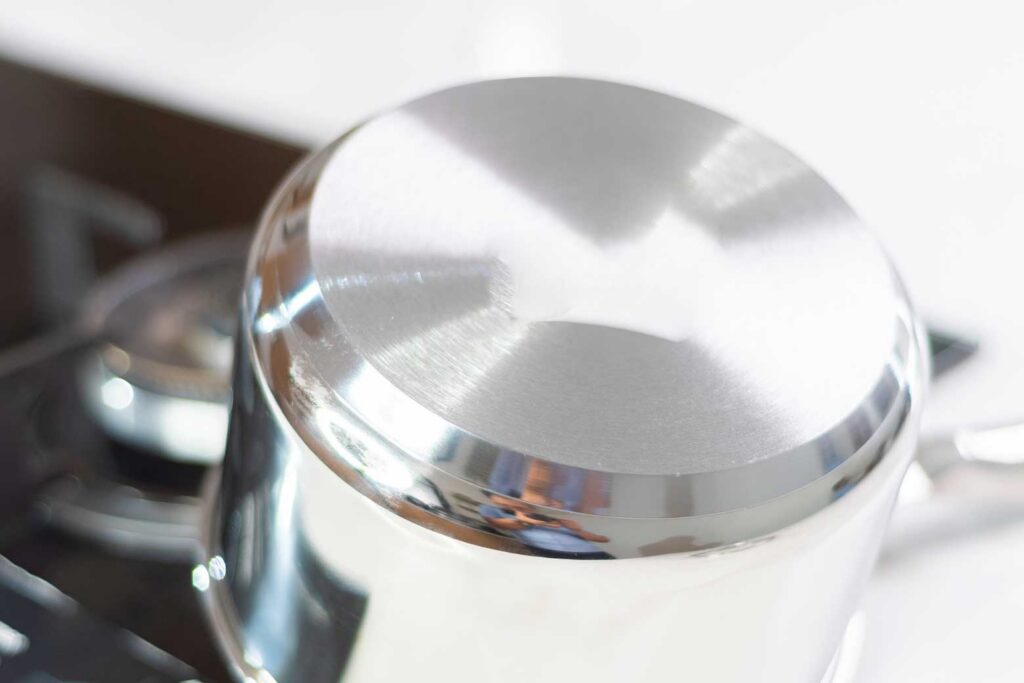

When it comes to surface finishing, at Discover Global we provide a variety of surface treatment options that can be used for different products depending on your prioritized variables like finish, durability, and more.
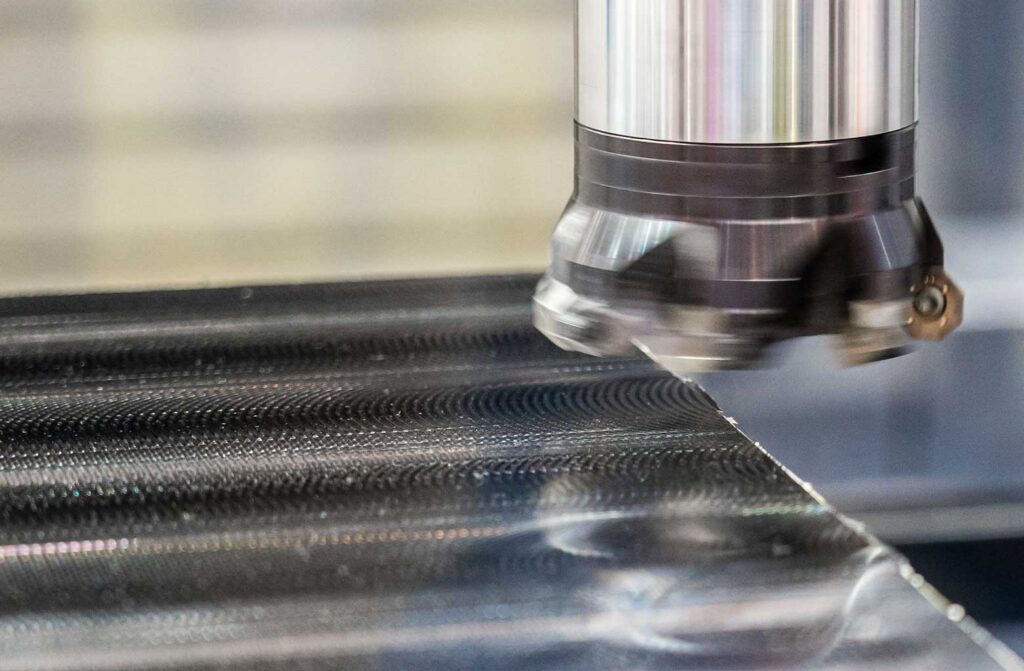
(Bead Blasting, Cutting, Polishing, Grinding)
(Heat Treatment: Annealing, Tempering, Quenching)
(Electrolyzed Polishing, Acid Pickling)
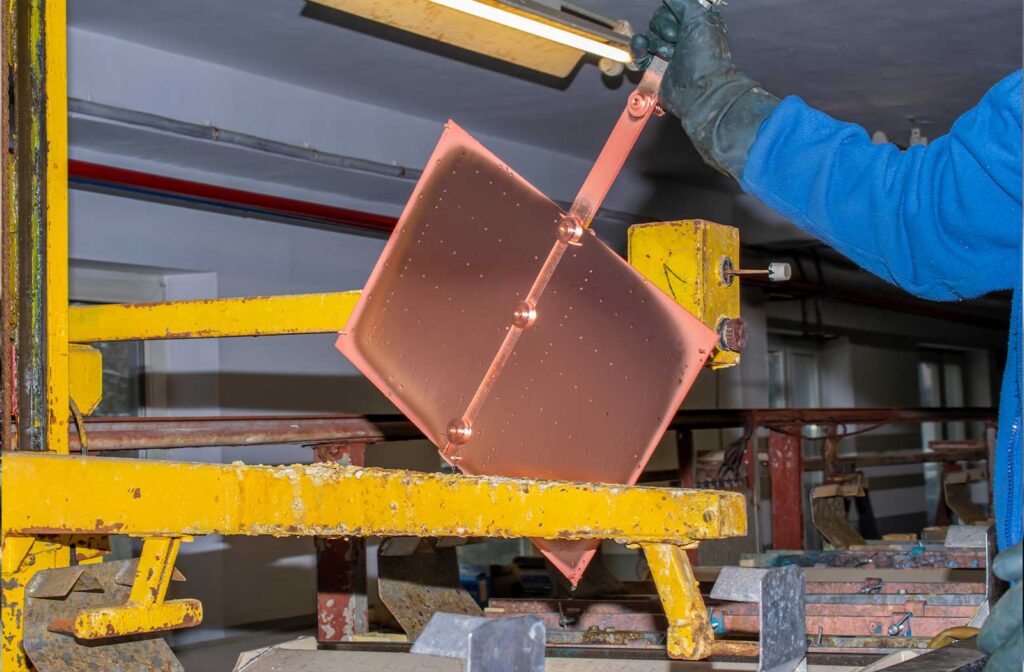
(Electroplating, Sputtering, Evaporation)
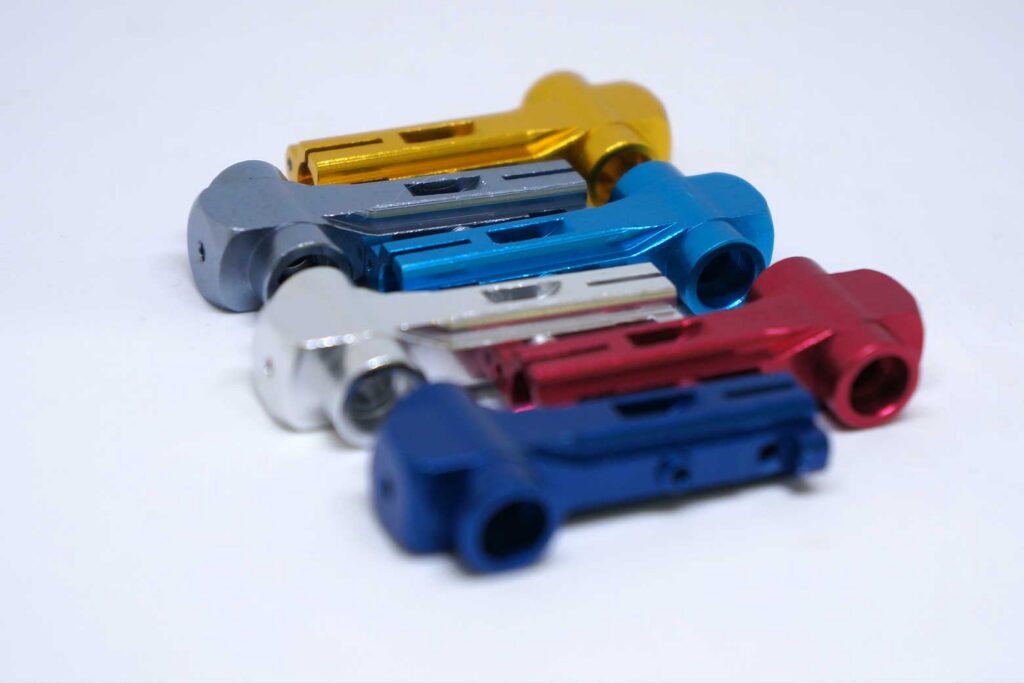
(Hard Anodizing, Oxide, Conversion Coating)
Electroplating is the deposition of a metallic coating onto an object by generating a negative charge on the object and immersing it in a solution which contains the salt of the metal to be deposited. The metallic ions of the salt carry a positive charge and are attracted to the part. When they reach the negatively charged part, it provides the electrons to reduce the positively charged ions to metallic form.
It is an electrochemical process that thickens and toughens the naturally occurring protective oxide. The resulting finish, depending on the process, is the second hardest substance known to man, second only to the diamond. The anodic coating is part of the metal, but has a porous structure which allows secondary infusions.
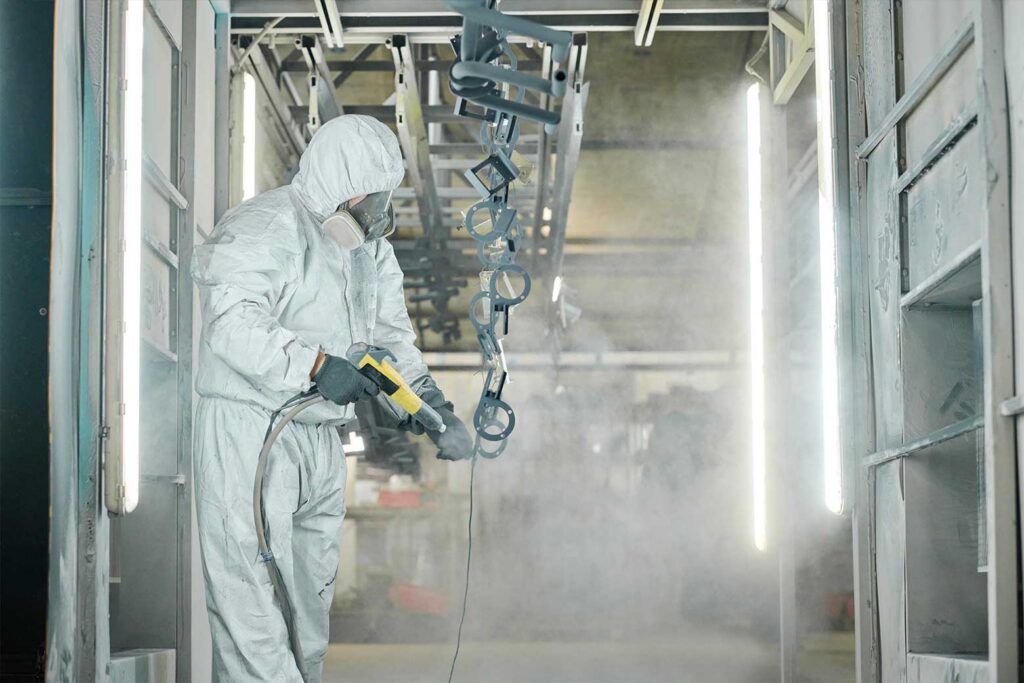
Powder coating is a type of coating that is applied as a free-flowing, dry powder. The main difference between a conventional liquid paint and a powder coating is that the powder coating does not require a solvent to keep the binder and filler parts in a liquid suspension form. The coating is typically applied electrostatically and is then cured under heat to allow it to flow and form a “skin”. The powder may be a thermoplastic or a thermoset polymer. It is usually used to create a hard finish that is tougher than conventional paint. Powder coating is mainly used for coating of metals, such as “whiteware,” aluminium extrusions, and automobile and bicycle parts. Newer technologies allow other materials, such as MDF, to be powder-coated using different methods.
Essentially, the passivation process removes “free iron” contamination left behind on the surface of the stainless steel from machining and fabricating. These contaminants are potential corrosion sites that result in premature corrosion and ultimately result in deterioration of the component if not removed. In addition, the passivation process facilitates the formation of a thin, transparent oxide film that protects the stainless steel from selective oxidation (corrosion).